The Satellite Phone Is Being Absorbed by Your Smartphone in 2026
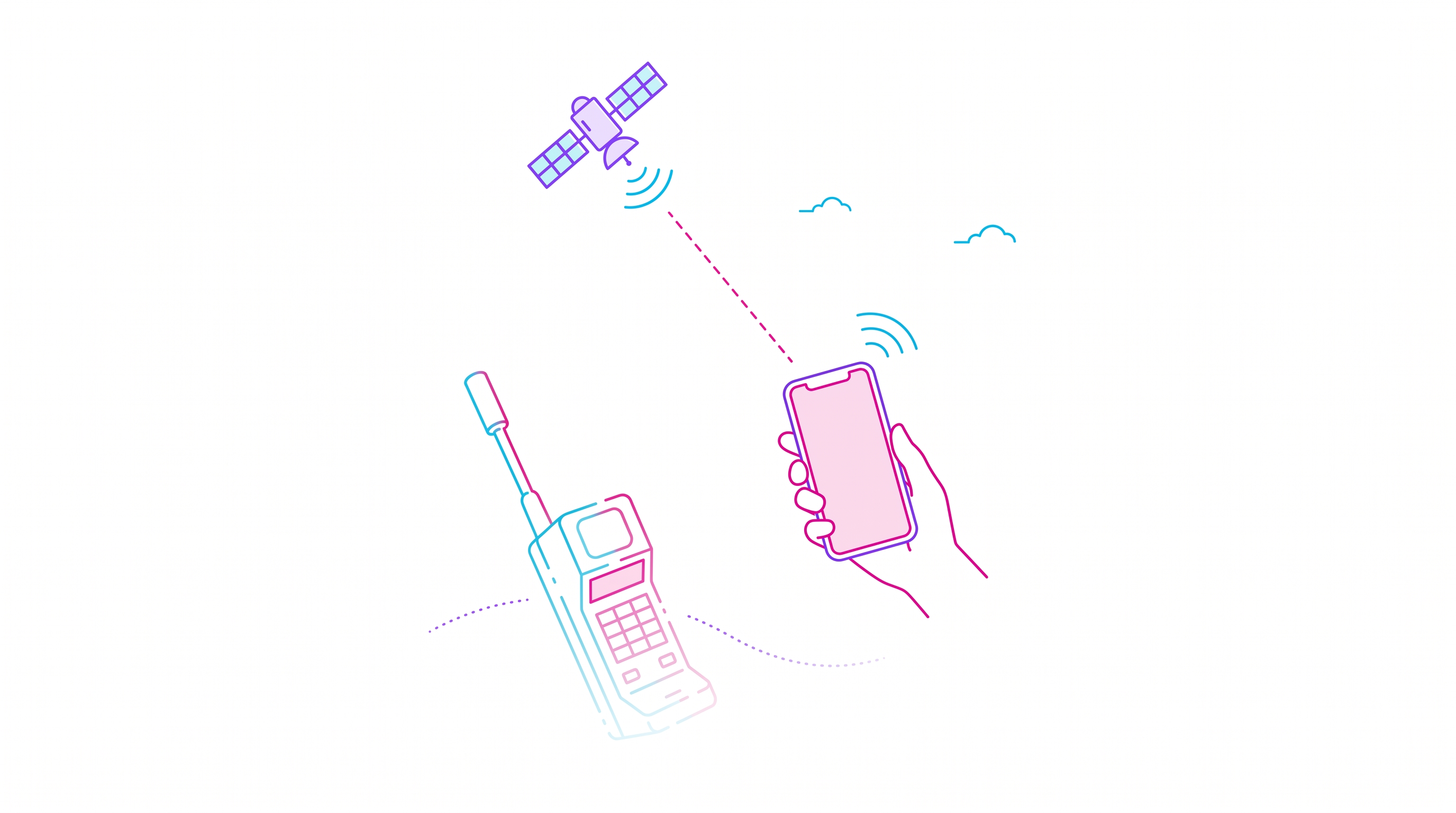
A market assessment published on 4 September 2026 puts a number of years of quiet change into one sentence: the satellite phone market is no longer about satellite phones. Smartphone satellite messaging and direct-to-device services are absorbing the consumer and recreational end of the category, while dedicated handsets retreat toward professional and mission-critical use. For travelers, that means your next phone may reach a satellite — but it will not give you data.
What the report actually says
The "Assessment of the Global Satellite Phone Market 2026", released by ResearchAndMarkets.com on 4 September, describes a category that has expanded far beyond rugged handsets. It now spans satellite messengers, portable voice terminals, push-to-talk devices, emergency beacons, airtime services, smartphone satellite messaging and emerging direct-to-device connectivity.
The core finding is a split. Dedicated satellite phones remain essential where terrestrial networks are unavailable, damaged, congested or politically restricted — emergency response, disaster recovery, maritime, aviation, defence, mining, energy and remote logistics. But satellite messengers and smartphone-based emergency communication are "reducing demand for separate voice-capable devices" in recreational, consumer-backup and lower-risk situations. In plain terms: the hiker who used to rent a satphone now just carries a phone with SOS.
The report also frames the technical shift. Traditional mobile satellite service networks depend on dedicated spectrum and purpose-built hardware. Direct-to-cell platforms instead let ordinary smartphones connect through terrestrial mobile spectrum. Standards-based 5G non-terrestrial networks are expected to deepen the integration between satellite operators, mobile networks, chipset suppliers and device makers — turning satellite from an add-on into part of the mobile stack itself.
What travelers get today
The consumer reality in 2026 is narrower than the headlines suggest:
- Emergency SOS and messaging, not browsing. Satellite messaging is free on the Pixel 9 series (excluding the 9a) and on all Pixel 10 models, routed through satellite connectivity provider Skylo. Apple and other manufacturers offer comparable emergency features. These are text-and-location services measured in bytes, not megabytes.
- Open sky required. Direct-to-device links need a clear view of the sky and often a specific orientation. They do not work reliably indoors, in a train, or in a dense city canyon.
- Coverage is per-market. Whether the feature works depends on the operator agreement in the country you are standing in, not on the phone you bought at home.
That last point is the one that bites travelers. A satellite feature enabled by your home carrier does not necessarily follow you abroad, because the underlying arrangement is between a satellite operator and a specific mobile network. We covered how the wider rollout is progressing in our piece on satellite 5G NTN and where phones now connect, and the European timeline in Starlink direct-to-cell coming to Europe.
Why this does not replace a travel eSIM
It is tempting to read "my phone talks to satellites now" as "I do not need a data plan". The report's own segmentation argues against that: it separates users who need SOS or text from users who need reliable two-way connectivity. Everyday travel sits firmly in the second group. Maps, ride-hailing, boarding passes, translation, bank verification codes and video calls home all need real bandwidth on the ground.
Direct-to-device is best understood as a safety floor, not a connectivity plan. It is what keeps you reachable on a mountain pass with no towers. It is not what gets you an Uber from the airport at 1 a.m.
The practical setup for 2026 is layered: keep whatever satellite SOS your phone includes and know how to trigger it, and install a prepaid international eSIM before departure so you have working data the moment you land. Providers such as HOLASIM sell per-country and regional packs that activate on arrival, which is the part satellite still cannot do at consumer prices.
What to watch next
The convergence the report describes will keep narrowing the gap. As 5G NTN matures, satellite capacity moves from emergency text toward low-bandwidth data, and eventually toward roaming-grade service in places where no operator has ever built a tower. That is years away at consumer prices — and until it arrives, the cheapest reliable connectivity abroad is still a data plan you bought before you flew.