Vodafone and Ericsson Put Live Call Translation Inside the Network in 2026 - No App Needed
Vodafone and Ericsson trialled network-native AI that translates a live phone call and cancels background noise, with no app and no new handset. The catch for travelers: it lives in the operator core, and a data-only travel eSIM never touches it.
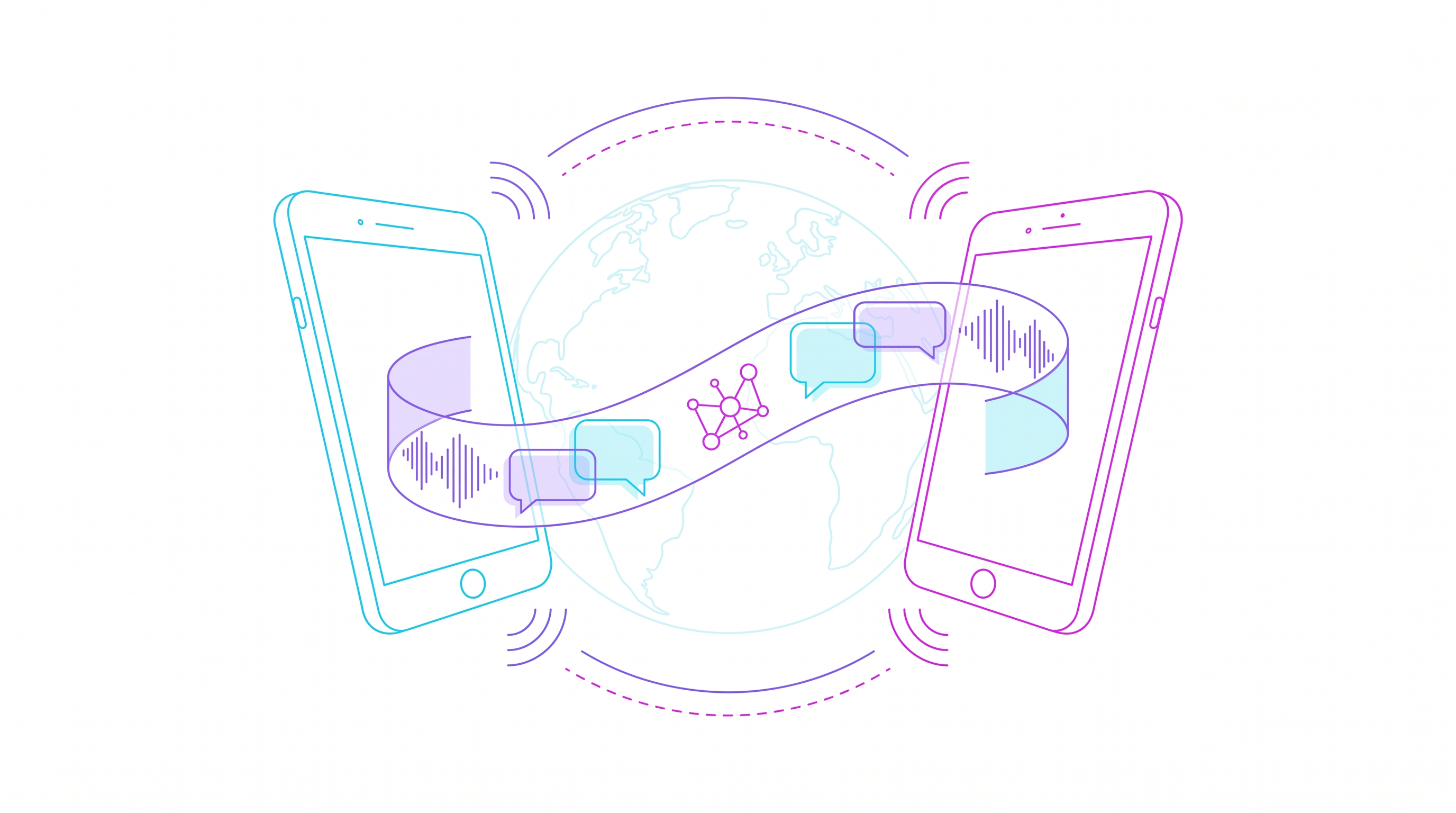
Vodafone and Ericsson said this week they have successfully trialled two AI-powered voice services that run inside the mobile network itself: real-time translation of a live phone call, and noise cancellation that removes background sound before it reaches the person on the other end. Neither one needs an app, a subscription on the handset, or a new phone.
In the trial, engineers held conversations in English, Spanish, Italian, French and German, with the network translating between the two speakers as they talked. Vodafone says the language list can be extended without redesigning the system.
What was actually built
The technical part is the interesting part. Vodafone built an application server and the AI engines, then wired them into Ericsson IMS — the IP Multimedia Subsystem, the piece of a mobile core network that actually carries voice calls — using APIs that bridge the telecom and AI sides. The work comes out of a joint programme the two companies call Core Network of the Future.
Today, live translation happens on your device: an app listens, sends audio to a cloud service, and reads a translation back. Moving that job into the core network flips the model. The intelligence sits in the operator infrastructure, so the handset does not matter. A five-year-old Android, a cheap feature phone on VoLTE, a phone with no spare storage for another app — all of them place an ordinary call and get the feature.
That is genuinely new. It is also why the fine print matters more than usual.
Why travelers care
Text translation has been a solved problem for years. Live voice has not. The moments where the gap actually bites are almost all travel moments: calling a guesthouse in Naples that does not answer email, sorting out a booking with a rental agent in Lisbon, ringing a clinic abroad, talking to a tow truck driver on a road with no English. Those are phone calls, not chat threads, and they usually happen under time pressure.
A network that translates them without asking either side to install anything removes the most common failure point — the other person does not have your app and is not going to download it mid-call.
The catch: it lives in the network you are on, not in your phone
This is the detail that gets lost in the headlines, and it is the one that decides whether a traveler ever sees the feature.
Because the capability sits in the operator core, it applies to calls that core is carrying. When you travel, you connect to a foreign operator radio network, and depending on how your call is routed, you may not be touching your home operator voice core the way you do at home. A feature that works on a Vodafone call at home does not automatically follow you across a border.
Second, and more relevant to anyone reading this on a travel connectivity site: a data-only travel eSIM never touches a voice core at all. Travel eSIMs sell mobile data. They carry packets. They do not register your number on an IMS, which means network-side voice features — this one included — are simply not in the path.
Third, this is a trial. Vodafone and Ericsson have announced a successful demonstration, not a launch. There is no commercial date, no price, and no list of countries yet. Treat it as a signal about where mobile networks are heading in the next few years, not as something to plan a trip around.
What actually works on a trip right now
Until network-native translation ships commercially, the practical setup has not changed:
- Keep your home line active for voice and SMS. On a dual-eSIM or SIM-plus-eSIM phone, your home number stays registered for calls, bank codes and two-factor messages.
- Put the data on a travel eSIM. Data plans like HOLASIM are data by design — you install one before departure, land connected, and leave your home line in place for the calls that need a real number.
- Route the calls you can through apps. WhatsApp, FaceTime and Meet already offer captioning or translation features on the device side, and they work over any data connection regardless of which operator core you are roaming on.
- Check with your own operator once it ships. If network-side translation becomes a commercial product, it will be sold by the operator holding your home number, so that is the only place the answer will come from.
The longer-term read is more interesting than the trial itself. Mobile operators have spent a decade watching messaging apps take the parts of their business that had features, while they kept the part that was a dumb pipe. Putting AI into the voice path is an attempt to make the plain phone call worth something again. Whether it reaches travelers depends entirely on roaming agreements — the least glamorous, most decisive part of the whole story.
Related: data-only eSIMs vs eSIMs with a phone number and how to keep WhatsApp and your home number active on a travel eSIM.