Apple Confirms September 9 "Surprise and Shine" Event: iPhone 18 Pro, a Foldable iPhone Ultra and the C2 Modem
Apple has set September 9 for its iPhone 18 Pro keynote, with a foldable iPhone Ultra and its in-house C2 modem expected. Here is what the lineup could change for travelers.
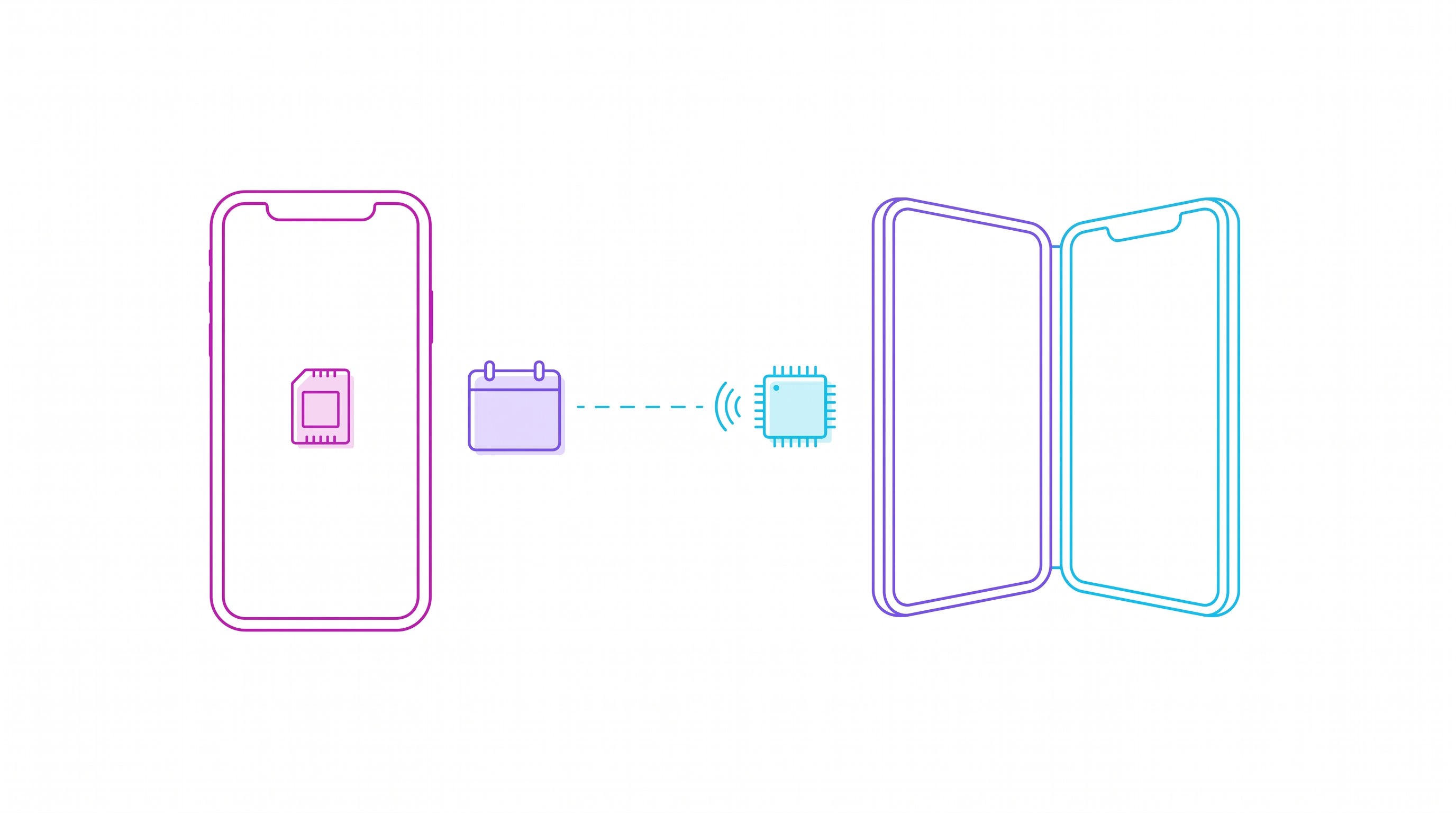
Apple has officially announced its autumn keynote. The event is titled "Surprise and Shine" and takes place on Wednesday, September 9, 2026, at the Steve Jobs Theater inside Apple Park in Cupertino, California. Invitations went out in late August, ending several weeks of speculation about the date after reports suggested Apple was shifting parts of its release schedule.
The expected lineup is unusually broad: the iPhone 18 Pro and iPhone 18 Pro Max, a foldable iPhone that reporting points to being branded iPhone Ultra, and new Apple Watch models.
What is actually expected on stage
Three hardware upgrades have dominated the pre-event reporting on the Pro models:
- A variable-aperture main camera, which would let the lens physically change how much light it lets in rather than simulating depth in software.
- A smaller Dynamic Island, reclaiming screen area at the top of the display.
- Apple's own C2 cellular modem, the second generation of the in-house modem Apple began shipping after years of relying on third-party silicon.
The foldable is the wild card. A book-style folding iPhone has been rumored for several product cycles, and the "Ultra" branding would place it above the Pro Max rather than beside it.
Apple has also split the iPhone 18 family across two launch windows, with the Pro models keeping the traditional September slot. That is a change from the single-event pattern buyers have been used to.
Why this matters if you travel
The modem is the part travelers should watch. A cellular modem is the component that decides which bands your phone can use, how well it holds a weak signal, and how quickly it attaches to an unfamiliar network when you land. Every carrier abroad runs a slightly different combination of bands and network releases, so modem quality shows up most clearly in exactly the situation travelers care about: a foreign network, in a crowded place, on a phone that has never seen that operator before.
The second point is the SIM tray. Apple has been steadily removing it. US iPhones have been eSIM-only since the iPhone 14 generation, and reporting through 2026 has pointed to Europe joining that list — a shift we covered in detail in Apple Goes eSIM-Only in Europe. A folding phone makes the case stronger still: the SIM tray, its gasket and its internal cage occupy volume that a hinge design badly needs, and removing it has been cited as one route to the larger battery capacities rumored for the Pro Max, in the region of 5,100 to 5,200 mAh.
Apple has not confirmed the eSIM-only status of any 2026 European model. Until the keynote, that remains reporting, not fact.
What changes in practice
If you buy an eSIM-only iPhone, three habits change on the road:
You cannot borrow a plastic SIM. The old fallback — landing somewhere, walking to a kiosk, buying a local SIM and slotting it in — only works if that shop can issue an eSIM profile and scan you a QR code. Many can. Some, especially smaller vendors in secondary cities, still cannot.
You need connectivity to get connectivity. An eSIM profile is downloaded, which means you need Wi-Fi or an existing data connection at the moment you install it. Airport Wi-Fi is often the fallback, and it is often bad. The practical fix is simple: install your travel plan before you leave home and leave it switched off until you arrive.
Dual profiles become normal, not advanced. eSIM-only iPhones hold multiple profiles at once. You keep your home number active for calls and bank verification codes, and route data through a second, cheaper travel profile. That combination is the main reason travel eSIMs have grown so quickly — global travel eSIM usage reached roughly 134 million users in 2026, and there is a fuller cost comparison in eSIM vs Roaming in 2026.
Practical checklist before the keynote
You do not have to wait for September 9 to prepare. If your next trip is soon and your current phone already supports eSIM — nearly every flagship from the last four years does — the setup is the same one the iPhone 18 will make mandatory rather than optional:
- Check that your phone is carrier-unlocked. An eSIM-only phone locked to a home carrier is far more restrictive than a locked phone with a SIM tray.
- Buy and install your travel profile at home, over your own Wi-Fi. Providers such as HOLASIM deliver the profile by QR code or direct activation link, so the install takes a couple of minutes on a stable connection.
- Set the travel profile as your data line and leave your home number on for calls and SMS only. Turn data roaming off on the home line.
- Screenshot your activation QR code and save it offline. If you reset your phone abroad, you will want it.
Whatever Apple shows on September 9, the direction of travel is settled. The SIM tray is being designed out of phones, and the plan you carry abroad is becoming a piece of software you download rather than a card you collect at an airport counter.