The QR Code Is Quietly Disappearing From Travel eSIMs in 2026
Travel eSIM apps are shipping one-tap installation that skips the QR code entirely, using universal links on iOS 17.4 and above and Android 10 and above. Here is what changed and what still trips travelers up.
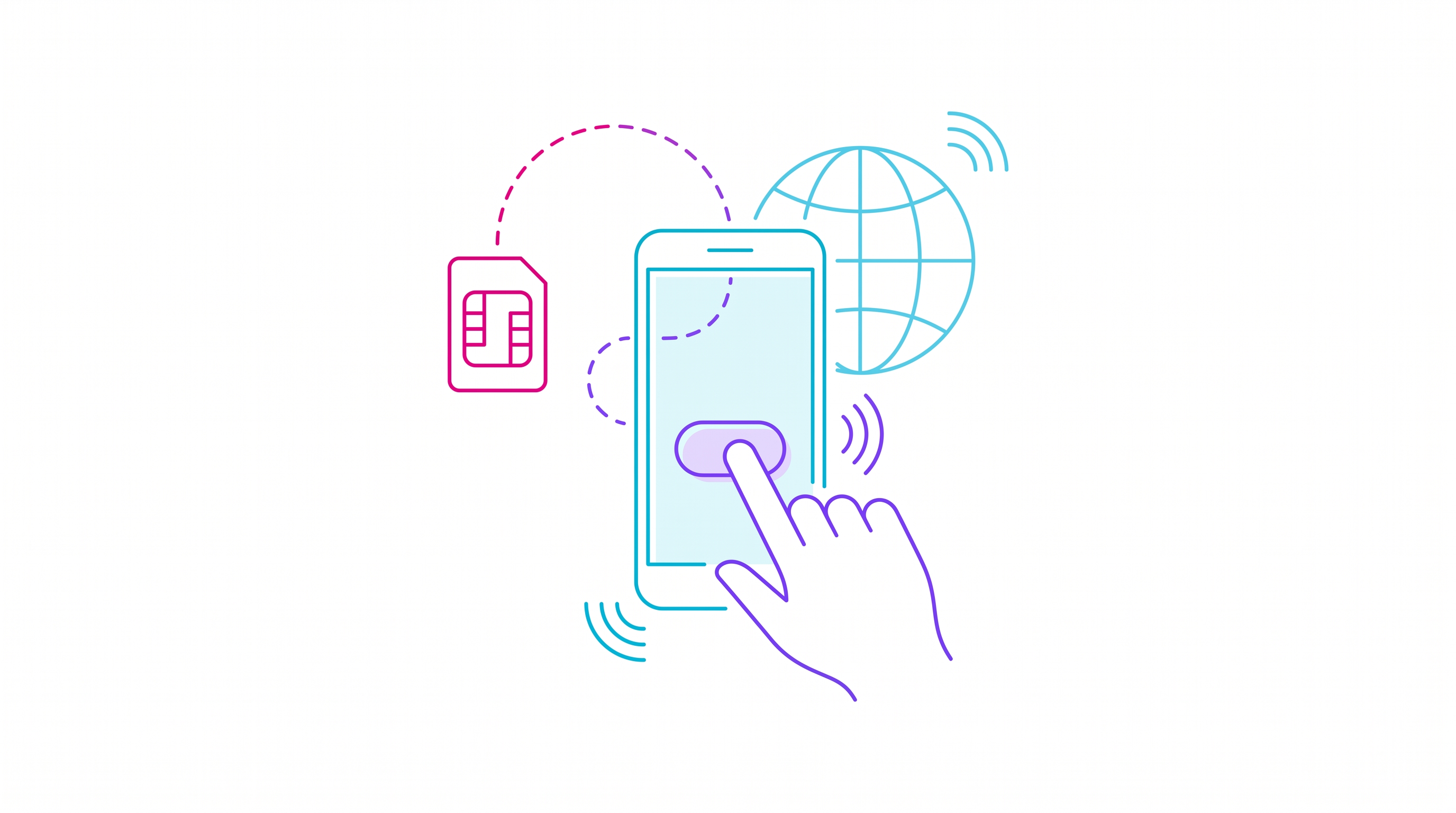
For most of the travel eSIM era, buying data abroad ended the same awkward way: a QR code on one screen, a phone camera pointed at it, and the classic problem of needing a second device to scan a code that is already on the device you are trying to set up.
That step is on its way out.
What happened
eSIMX, a travel eSIM platform operated by Skylark Connect LLC, completed a redesign of its app and website in September 2026, built around one-tap installation. Version 1.2 of the app, which shipped in July 2026, lets a traveler install an eSIM from a single screen without scanning a QR code at all, and adds data-usage tracking. The requirements are unremarkable and that is the point: an eSIM-compatible, carrier-unlocked phone running iOS 17.4 or later, or Android 10 or later.
A single provider relaunching an app is a small story. What it signals is not. One-tap install is no longer a differentiator that one company built - it is becoming the baseline the whole category is converging on, because the underlying platform support finally exists on both sides.
How it actually works
Apple opened the door with iOS 17.4. Since that release, an eSIM profile can be delivered through a universal link: a web address that carries the provider's activation details inside it and, when tapped on the phone, opens Apple's eSIM install screen directly, with the fields already filled. The link lives on Apple's own esimsetup.apple.com domain, so the handoff happens inside iOS rather than through a third-party app.
Android now has a matching mechanism. An equivalent link on esimsetup.android.com triggers the system eSIM installer on Android 10 and later, opening the Add eSIM screen with the details pre-filled. Crucially, it can be launched from anywhere that opens a URL - Chrome, an SMS, an email - which means a provider can deliver a working eSIM inside a confirmation message.
In both cases the QR code has not been replaced by something new. It has been recognised for what it always was: a container for a string of text. The universal link simply hands the phone that string directly instead of asking a camera to read it off a screen.
Why this matters more for travelers than it sounds
The QR step was responsible for a disproportionate share of eSIM failures, and almost all of them happened at the worst possible moment.
The second-device problem. If your confirmation email opened on the same phone you were installing to, you needed a laptop, a tablet, or a friend's phone to display the code. Travelers in transit rarely have a convenient second screen.
The screenshot trap. Many people screenshot the QR "for later", then discover the code was single-use, or that they are standing in an airport with no Wi-Fi and no way to reopen the email.
Failed scans. Low screen brightness, a cracked display, a printed code at an odd angle - each one turns a two-minute task into a twenty-minute one.
A tap removes all three. It also makes installing before departure genuinely frictionless, which is the single most useful habit a traveler can have. We walk through the whole sequence in our step-by-step travel eSIM setup guide.
What still goes wrong
One-tap install is not magic, and three constraints survive it.
Your phone must be carrier-unlocked. A device locked to a home carrier will refuse the profile no matter how elegantly it arrives. This is the most common reason a "broken" eSIM link is not broken at all.
The OS floor is real. Below iOS 17.4 or Android 10, the universal link does nothing useful and you are back to a QR code or manual entry of the SM-DP+ address and activation code. Providers should offer all three; the good ones do.
Profiles still do not move between phones freely. Android's built-in transfer tool can migrate a carrier line to a new handset, but travel eSIM profiles typically cannot be transferred and must be bought again - a gap we covered in Android 17's eSIM transfer tool.
The practical takeaway
If you are buying a travel eSIM for a trip this year, check one thing before you pay: does the provider offer a direct install link, not only a QR image? Providers such as HOLASIM deliver the profile as a tap-to-install link alongside the QR, which means you can set the whole thing up on the phone in your hand, at home, before the airport - and arrive with data already working rather than hunting for Wi-Fi to finish a purchase you already made.
The QR code will linger for years as a fallback for older devices. But in 2026 it stopped being the way an eSIM gets installed, and became the backup plan.