Samsung Galaxy S26 FE Keeps the SIM Tray in 2026 - and Adds Dual eSIM for Travelers
Samsung unveiled the Galaxy S26 FE on August 27, 2026. Unlike the eSIM-only Pixel 11 in the US and the iPhone 18 in Europe, it still has a nano-SIM slot alongside dual eSIM - and that combination is unusually good news for travelers.
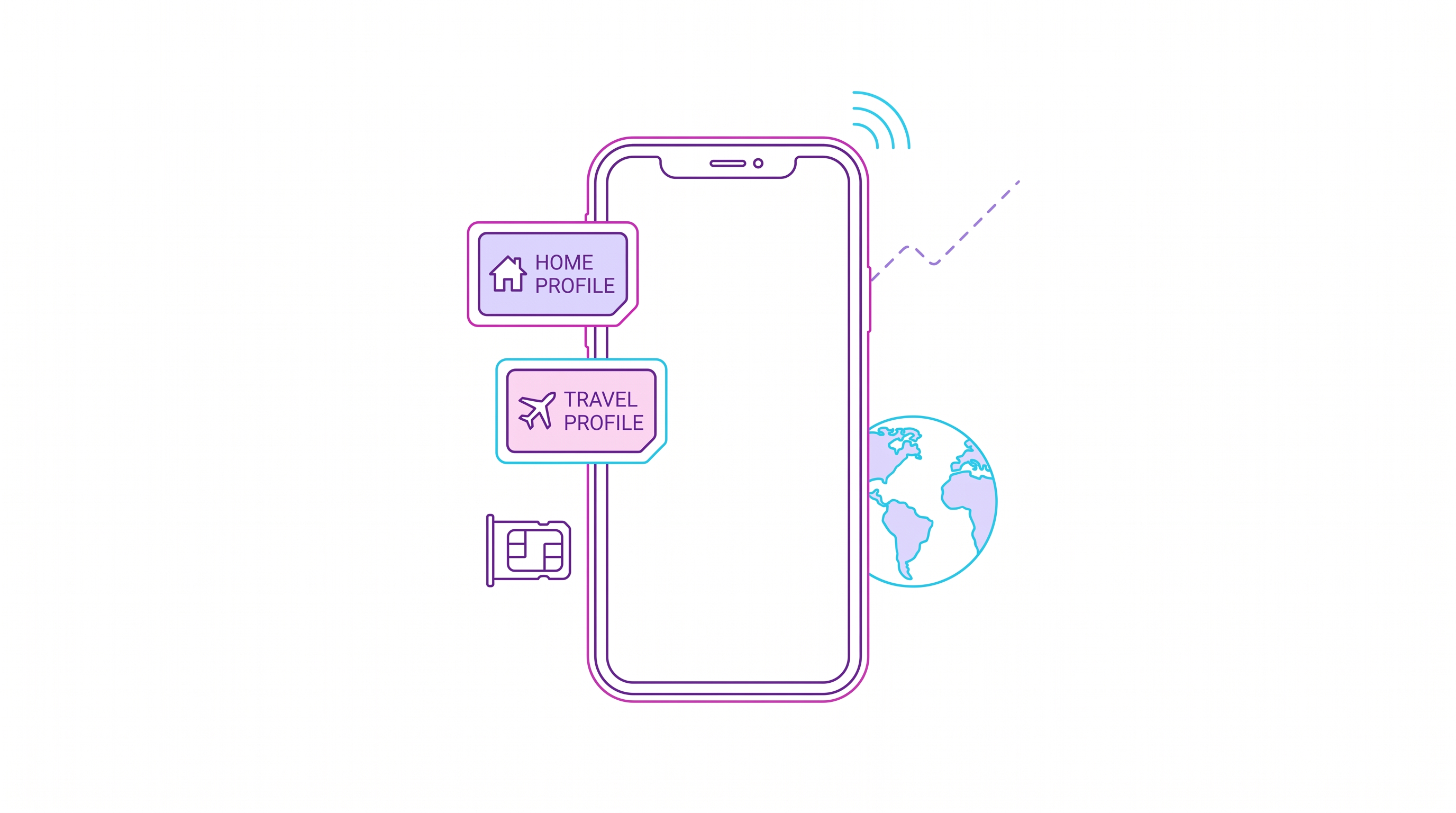
Samsung closed August with an Unpacked event on August 27, 2026, and the headline device was the Galaxy S26 FE - the cheaper "Fan Edition" member of the S26 family. Most of the coverage focused on the price and the screen. The part that actually matters if you cross borders is buried in the spec sheet: this phone still has a physical nano-SIM slot, and it pairs it with eSIM support.
That makes the S26 FE a bit of an outlier in 2026.
What Samsung announced
The Galaxy S26 FE arrives with a 6.7-inch FHD+ display running at up to 120 Hz, an Exynos 2500 chipset, a 4,900 mAh battery, IP68 water and dust resistance, and storage options up to 512 GB. There is no microSD slot.
Pricing in the United States starts at $699 for the 8 GB / 128 GB model and $799 for the 256 GB version. In Europe the ladder runs 799 euros (128 GB), 899 euros (256 GB) and 1,099 euros (512 GB). Select carriers began selling it on September 3, with wide availability through Samsung.com and retailers from September 4, 2026.
On the connectivity side: SIM 1 is a physical nano-SIM, SIM 2 is an eSIM, and the phone supports eSIM profiles alongside the tray. Samsung has shipped eSIM on the Galaxy S line since the Galaxy S20 in 2020, so this is continuity rather than a surprise - but continuity is exactly the story.
Why the SIM tray survived, and why it matters
2026 has been the year the tray started disappearing. Google made the Pixel 11 eSIM-only in the United States, and Apple extended its eSIM-only policy to Europe with the iPhone 18 generation. Each of those moves removed an escape hatch that travelers had relied on for a decade: landing somewhere, walking to a kiosk, and buying a local plastic SIM.
Samsung going the other way means the S26 FE can do something the eSIM-only flagships cannot. You can keep your home carrier on the physical nano-SIM - so your number, your two-factor SMS codes and your bank verification texts keep arriving - and load a travel eSIM for data at the same time. Then you turn data roaming off on the physical line and let the eSIM carry all the traffic.
That is the cleanest possible configuration for an international trip, and it works without deleting anything, without calling your carrier, and without a QR code you cannot scan because you have no connection.
The practical setup
If you pick up an S26 FE before a trip, the sequence is short:
- Buy and install the travel eSIM before you leave, while you still have Wi-Fi at home. Installing an eSIM requires an internet connection; activating it later does not.
- Keep your home nano-SIM in the tray, but switch Mobile data to the travel eSIM in Settings.
- Turn Data roaming off on the home line. This is the step people skip, and it is the one that produces the surprise bill.
- Leave calls and SMS on the home number so verification codes still reach you.
Providers like HOLASIM sell exactly this kind of data-only travel eSIM, which is designed to sit next to your home line rather than replace it.
The bigger picture
There is a reasonable argument that Samsung is simply lagging behind, and that the tray will vanish from the FE line too within a generation or two. Regional variants already differ - some markets get dual nano-SIM, others get a nano-SIM plus multiple eSIM slots - and the industry direction is clear.
But for the next couple of years, a hybrid phone is the most forgiving one to travel with. It fails gracefully. If your eSIM provider has an outage, or you land in a country where travel eSIMs are restricted, you still have a slot you can put something into.
If you are shopping for a travel phone in 2026, that flexibility is worth more than most of the spec-sheet differences. And if you are on a device that already went eSIM-only, our breakdown of what eSIM-only phones change for travelers and the Pixel 11 eSIM-only situation in the US covers how to work around it.